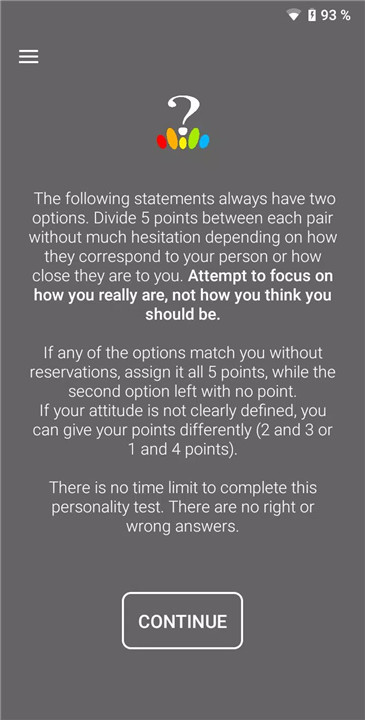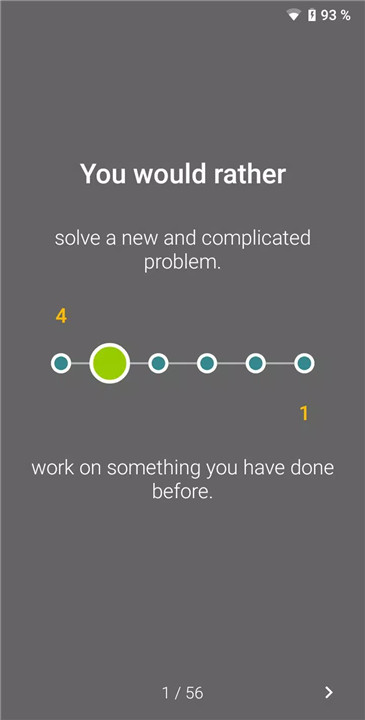



The 16 Types Personality Test is an introspective self-report questionnaire designed to identify psychological preferences in how individuals perceive the world and make decisions. Developed from concepts introduced by Carl Jung and later expanded by Katharine Cook Briggs and Isabel Briggs Myers, the framework categorizes personality into distinct, structured types.
The theory proposes that people experience the world through four primary psychological functions—sensation, intuition, feeling, and thinking—and that one of these functions tends to dominate. Combined with attitudes such as extraversion or introversion and lifestyle preferences like judging or perceiving, these traits form sixteen unique personality types.
Based on Established Psychological Theory
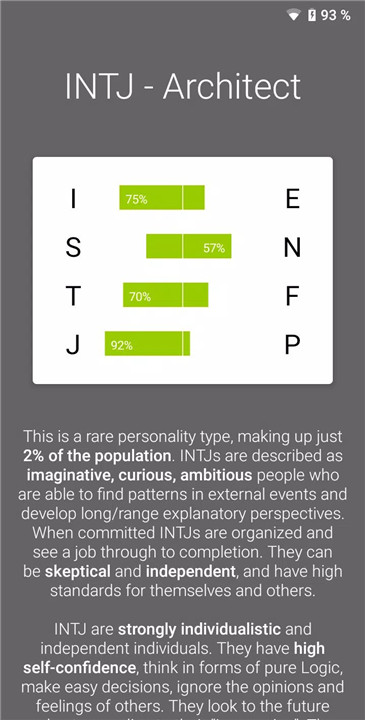
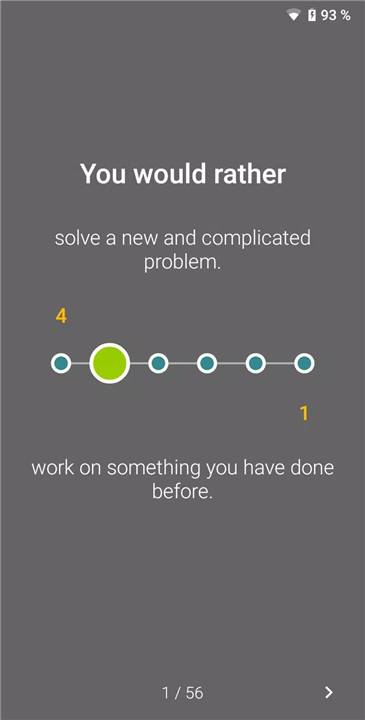
The 16 Types Personality Test draws from Carl Jung’s theory of psychological types. It evaluates four key dichotomies:
Extraversion (E) or Introversion (I)
Sensing (S) or Intuition (N)
Thinking (T) or Feeling (F)
Judging (J) or Perceiving (P)
These combinations result in sixteen distinct personality types, each reflecting consistent behavioral patterns and cognitive preferences.
The 16 Personality Categories
The personality types are grouped into four broader categories:
Analysts
INTJ, INTP, ENTJ, ENTP
Diplomats
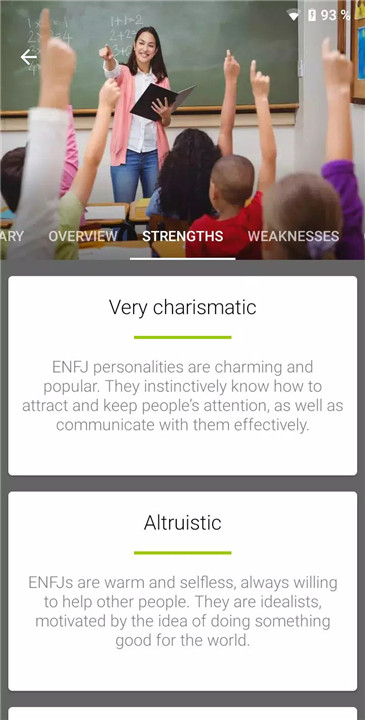
INFJ, INFP, ENFJ, ENFP
Sentinels
ISTJ, ISFJ, ESTJ, ESFJ
Explorers
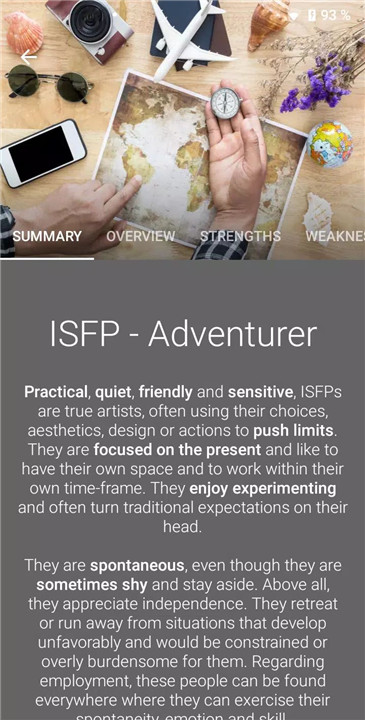
ISTP, ISFP, ESTP, ESFP
Each group shares defining characteristics, offering structured insight into communication styles, problem-solving approaches, and interpersonal dynamics.
Enhanced Self-Understanding
Learning about a personality type clarifies why certain environments, tasks, or relationships feel natural, while others may require more effort. The test helps identify innate strengths as well as potential growth areas, encouraging balanced personal development.
Practical Applications
The insights provided by the 16 Types Personality Test extend into multiple real-life contexts:
Career Development
Understanding personality preferences can reveal which work environments and tasks align naturally with individual strengths, increasing job satisfaction and productivity.
Managing Employees
Awareness of personality differences supports better leadership strategies, helping managers align responsibilities with natural capabilities and improve workplace morale.
Interpersonal Relationships
Recognizing personality differences fosters clearer communication, deeper empathy, and more effective conflict resolution.
Education
Tailoring teaching approaches based on personality preferences enhances learning outcomes and engagement.
Counseling and Personal Growth
Self-awareness gained through personality assessment supports emotional development and balanced decision-making.
Free and Accessible
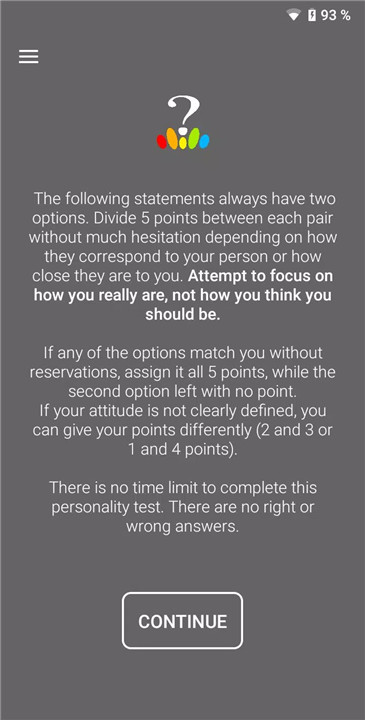
The test is available free of charge and structured to provide clear, accessible insights. Its straightforward format allows individuals to explore personality theory without complexity, making psychological self-discovery approachable and practical.
FAQs
Q1: What is the 16 Types Personality Test based on?
The test is based on Carl Jung’s theory of psychological types and was further developed by Katharine Cook Briggs and Isabel Briggs Myers.
Q2: How many personality types are identified?
There are sixteen distinct personality types formed by combinations of four psychological preference pairs.
Q3: What areas of life can this test help with?
The test provides insights useful for career planning, employee management, relationships, education, and personal development.
Q4: Is the test free to use?
Yes, the 16 Types Personality Test is available as a free self-report questionnaire.
Q5: What do the letters in each personality type represent?
The letters represent preferences in Extraversion/Introversion, Sensing/Intuition, Thinking/Feeling, and Judging/Perceiving.
Version History
v1.6.7—4 Oct, 2023
1.6.7
Maintenance and bugfixing
v1.6.6—21 Jul, 2023
1.6.6
Maintenance and bugfixing
1.6.5
Spanish translation extended
1.6.4
Maintenance and bugfixing
1.6.3
German translation extended
1.6.2
Spanish translation extended
1.6.1
German translation extended
1.6
German translation
1.5.3/1.5.4
Personality descriptions extended in Portuguese
1.5.1/1.5.2
Personality descriptions extended in French
1.5
French translation
1.4
Spanish translation
v1.6.5—6 May, 2023
1.6.5
Spanish translation extended
1.6.4
Maintenance and bugfixing
1.6.3
German translation extended
1.6.2
Spanish translation extended
1.6.1
German translation extended
1.6
German translation
1.5.3/1.5.4
Personality descriptions extended in Portuguese
1.5.1/1.5.2
Personality descriptions extended in French
1.5
French translation
1.4
Spanish translation